
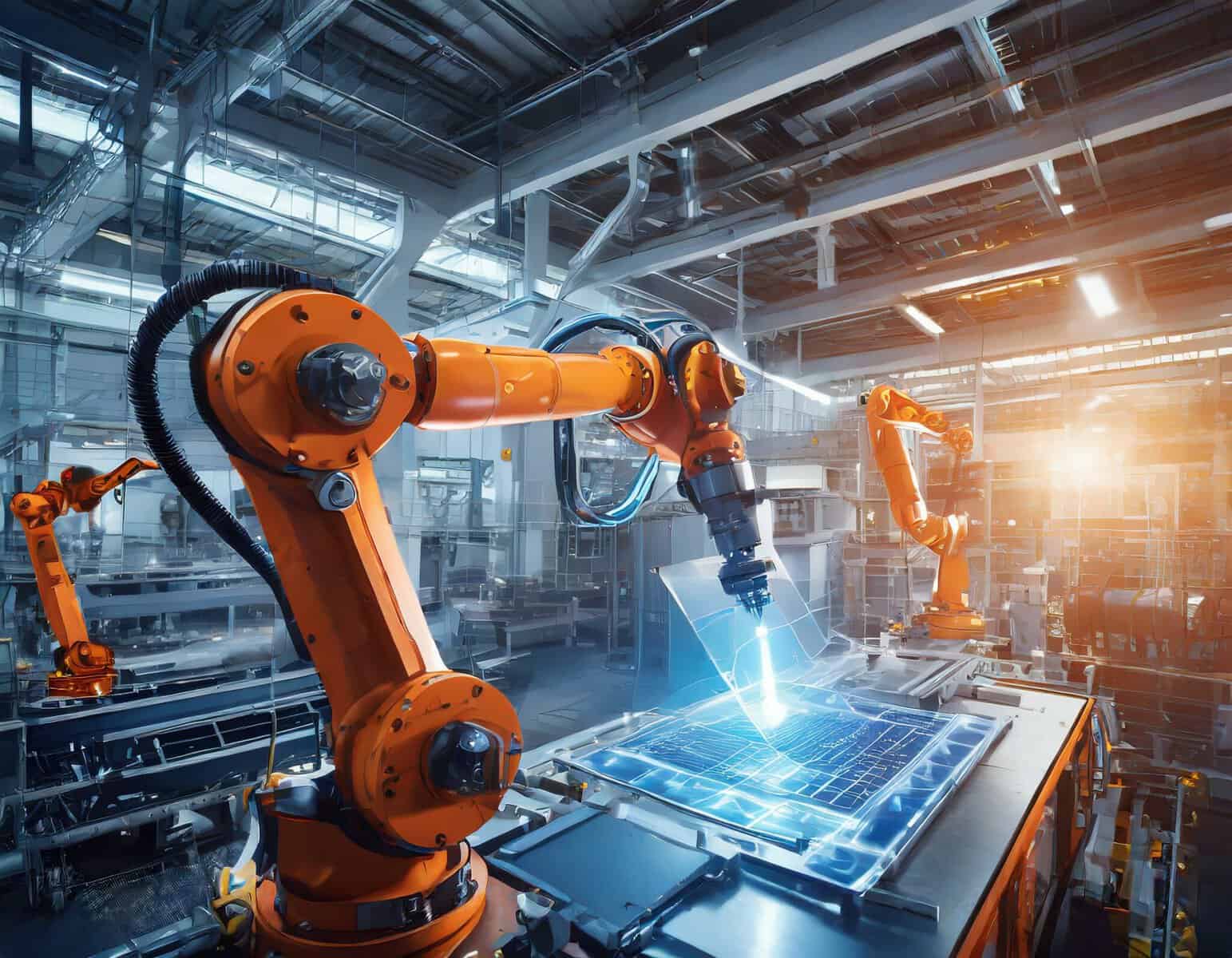
The manufacturing industry is undergoing a technological revolution — and at the center of it is Artificial Intelligence (AI). From predictive maintenance to quality control, AI is reshaping how factories operate, improving efficiency, cutting costs, and enabling smarter decision-making.
Let’s explore how AI tools are transforming the manufacturing landscape and what it means for the future of production.
🧠 What is AI in Manufacturing?
AI in manufacturing refers to the integration of machine learning, computer vision, natural language processing (NLP), and data analytics into production systems. These tools allow machines to learn from data, adapt to changes, and make decisions without human intervention.
⚙️ Key AI Tools Driving Innovation in Manufacturing
1. Predictive Maintenance
AI-powered systems analyze sensor data from machines to predict potential failures before they happen. Tools like IBM Maximo or Siemens MindSphere help reduce unplanned downtime and extend equipment life.
📈 Benefit: Saves costs, improves uptime, and enhances safety.
2. Computer Vision for Quality Control
AI-based visual inspection tools use cameras and machine learning algorithms to detect defects or irregularities in products in real-time. Tools such as Landing AI, Instrumental, and Google Cloud AutoML Vision are popular in this space.
📷 Benefit: Ensures high product quality with minimal human error.
3. Digital Twins
A digital twin is a virtual replica of a physical system, constantly updated with real-time data. AI models simulate performance, test changes, and optimize operations without halting actual production.
🧪 Benefit: Enables faster design changes and process improvements.
4. Supply Chain Optimization
AI tools like Llamasoft (now part of Coupa) and ClearMetal forecast demand, manage inventory, and optimize logistics. These tools use big data and algorithms to make smart, adaptive decisions across the supply chain.
📦 Benefit: Reduces lead time and enhances customer satisfaction.
5. Robotic Process Automation (RPA)
AI-enhanced robots and cobots (collaborative robots) perform repetitive tasks such as welding, painting, or packaging with high precision. AI enables these machines to adapt, self-correct, and learn from new inputs.
🤖 Benefit: Increases productivity and reduces manual labor.
6. AI for Energy Management
Tools like Uptake and BrainBox AI monitor and optimize energy use across manufacturing facilities. They predict peak consumption, detect inefficiencies, and suggest corrective actions in real time.
⚡ Benefit: Reduces operational costs and supports sustainability goals.
🔍 Real-World Example: BMW’s AI Integration
BMW uses AI in its manufacturing plants to automate image recognition, identify deviations in real-time, and reduce errors in assembly. This has improved productivity and allowed workers to focus on more complex tasks.
🌐 Challenges & Considerations
While AI tools bring immense value, manufacturers must also address:
- Data security and privacy
- Integration with legacy systems
- Skill gaps in the workforce
- Upfront investment in infrastructure
🚀 The Future is Smart
AI tools are not just trends—they’re necessities in the era of Industry 4.0. As AI continues to evolve, it will further enable autonomous factories, zero-defect production, and hyper-personalized manufacturing.
💡 Final Thought
Manufacturers that embrace AI today are building the competitive edge of tomorrow. Whether you’re a factory owner, engineer, or student, understanding AI in manufacturing is crucial to staying relevant in this rapidly evolving field.